
14 Healthy Herbs and Spices: Benefits, Uses & Recipes
Recipe Key
Adding more flavor and nutrition to your meals can be as simple as reaching for your favorite herbs and spices. Discover 14 healthy herbs and spices with powerful health benefits, easy ways to use them in everyday cooking, and delicious recipes to inspire you.
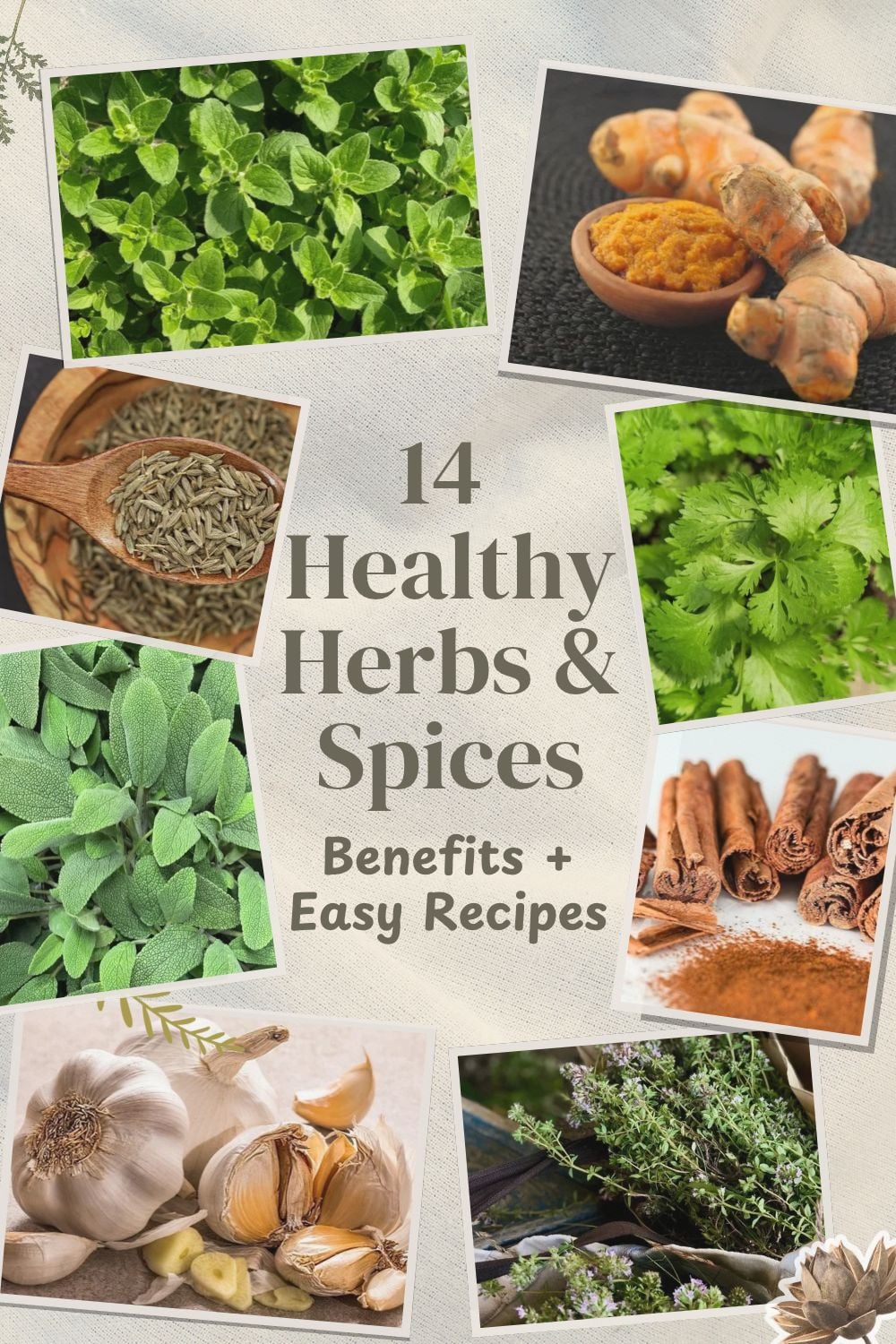
Did you know that herbs and spices do more than just make food taste delicious? Many are packed with antioxidants, anti-inflammatory compounds, and beneficial plant nutrients that can support digestion, brain health, immunity, and healthy aging.
I love using fresh herbs and aromatic spices in my cooking. They’re a simple way to add incredible flavor and extra nutrition to everyday meals without much effort.
Many of the most beneficial herbs and spices are probably already in your kitchen!
In this guide I’m sharing 14 of my favorite everyday herbs and spices, their wonderful health benefits, and easy ways to enjoy them more often. I’ve also included a delicious recipe featuring each one to inspire you.
7 Everyday Herbs with Wonderful Health Benefits
Use fresh when possible: I like to use fresh herbs for their vibrant flavor and nutrients, but dried herbs are also a wonderful choice and still provide plenty of beneficial plant compounds.
When to add herbs: Add delicate herbs like basil, parsley, cilantro, and mint near the end of cooking to preserve their fresh flavor and heat-sensitive nutrients. Hardy herbs like rosemary, sage, thyme and oregano can be added earlier to allow their flavors to develop.
Don’t forget the garnish: I love sprinkling fresh herbs over finished dishes for an extra boost of flavor, color, and nutrition.
Oregano – Anti-inflammatory & Immune Support
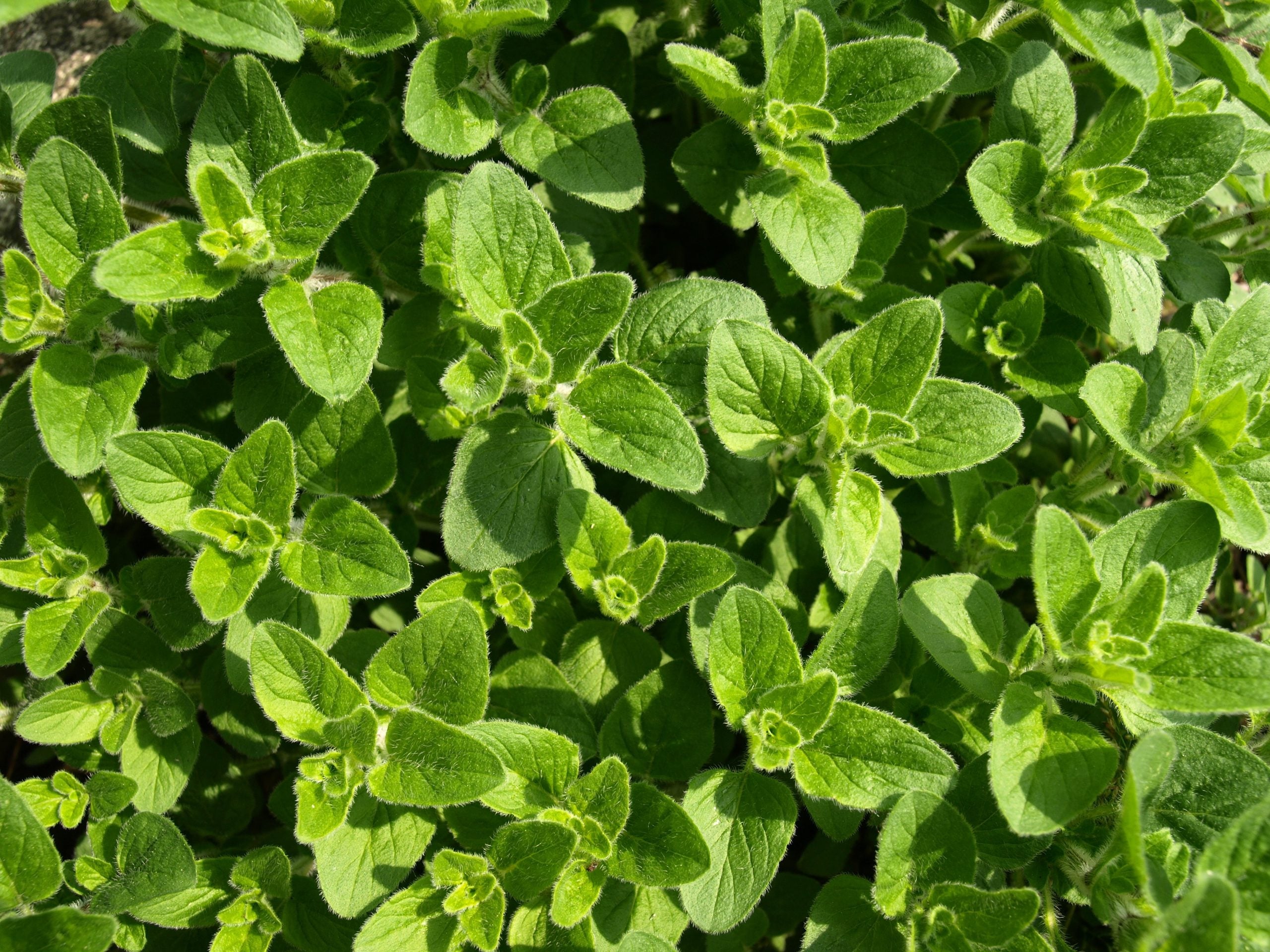
Oregano is rich in antioxidants, including carvacrol and thymol, compounds studied for their antimicrobial and anti-inflammatory properties. It adds more than just Mediterranean flavor to your meals.
Easy ways to enjoy it: Sprinkle fresh or dried oregano over roasted vegetables, tomato sauces, soups, grilled chicken, and Greek salads.
Try this recipe: Greek Lemon Chicken with Potatoes and Greens
Rosemary – Brain Health & Antioxidants
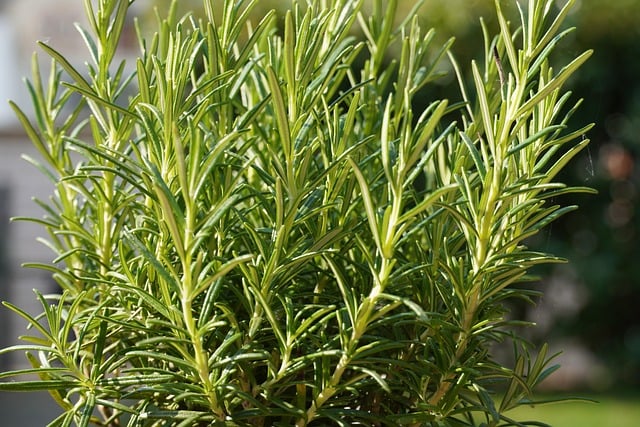
Rosemary contains rosmarinic acid and carnosic acid, powerful antioxidant compounds being studied for their ability to protect cells from oxidative stress and support brain health. Research shows smelling rosemary can improve memory, alertness, and cognitive speed. I keep a plant near my desk.
Easy ways to enjoy it: Add fresh rosemary to roasted potatoes, chicken, fish, white beans, and vegetable soups. It’s especially delicious with roasted root vegetables.
Try this recipe: Garlic and Rosemary Roasted Cabbage Steaks
Sage – Brain Health & Digestion

Sage is rich in polyphenols and aromatic compounds beneficial for memory, cognitive function, and inflammation. It’s also traditionally used to support digestion, helping to “awaken” sluggish or heavy digestion after large or fatty meals.
Easy ways to enjoy it: Sage can be enjoyed as a warm herbal infusion (tea) brewed from fresh or dried leaves, or as a culinary herb added to roasted squash, sweet potatoes, chicken, turkey, white beans, or sautéed mushrooms. A little goes a long way.
Try this recipe: Butternut Squash Latkes
Parsley – Bone Health & Diuretic
Parsley is much more than a garnish! Parsley is widely considered a natural diuretic and mild detoxifier in traditional medicine. It’s an excellent source of vitamin K, important for healthy bones and normal blood clotting, and provides vitamin C and protective plant antioxidants.
Easy ways to enjoy it: Add generous handfuls of chopped parsley to salads, soups, vegetables, grain bowls, and homemade dressings.
Try this recipe: High Protein Quinoa Salad
Thyme – Respiratory & Immune Support

Thyme contains powerful antioxidants, including thymol and carvacrol, compounds that support respiratory health, fight microbes, and reduce inflammation. Packed with vitamins C and A, alongside iron, copper, and manganese, which helps strengthen immune defenses against seasonal illnesses.
Easy ways to enjoy it: Add fresh or dried thyme to soups, stews, roasted vegetables, chicken, fish, and white beans. Its earthy, slightly lemony flavor is especially delicious in Mediterranean dishes.
Try this recipe: Easy Sauteed Chicken and Apples
Basil – Anti-Inflammatory & Cellular Health
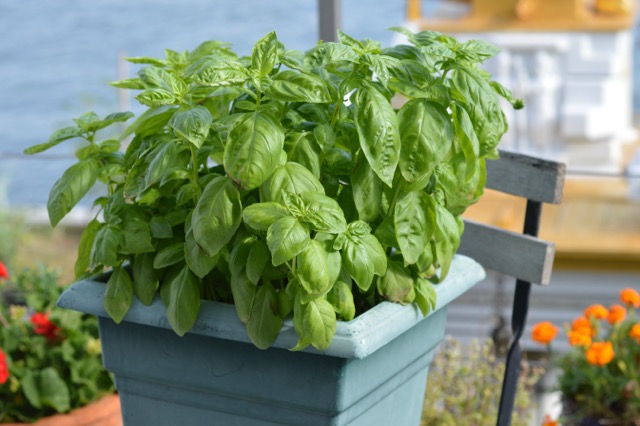
Basil is packed with powerful antioxidants like eugenol, beta-carotene, and rosmarinic acid that help protect your cells from oxidative damage and support a healthy inflammatory response.
Easy ways to enjoy it: Toss fresh basil into salads, pesto, tomato dishes, soups, and pasta. Add it at the end of cooking to preserve its fresh flavor.
Try this recipe: Creamy Whipped Feta with Roasted Cherry Tomatoes
Cilantro – Antioxidants & Cellular Health
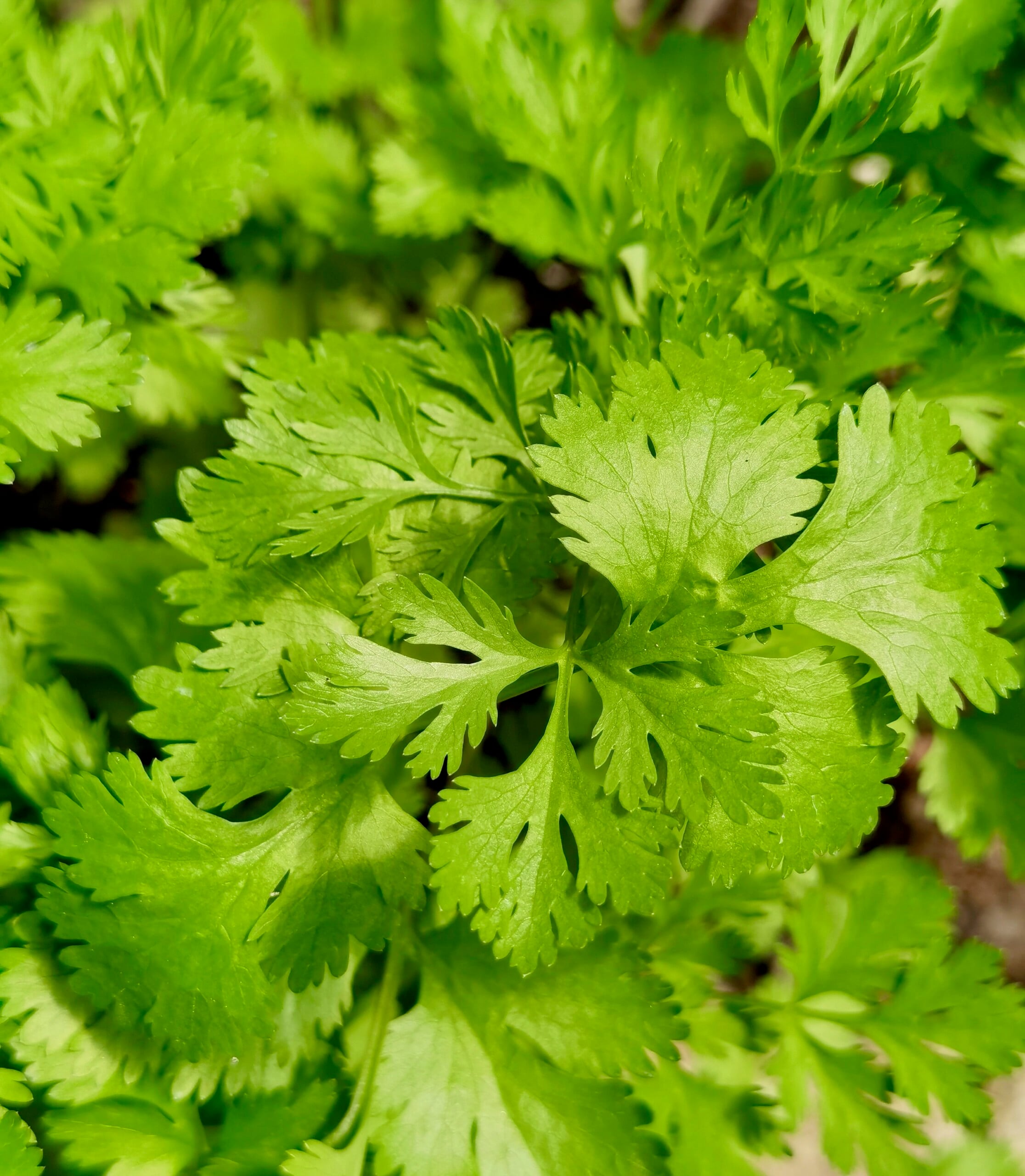
Cilantro provides vitamin K and antioxidants, including flavonoids, that help protect cells from oxidative stress. Preliminary studies indicate that specific enzymes in cilantro may help stimulate insulin secretion, improve insulin sensitivity, and lower blood glucose levels.
Easy ways to enjoy it: Sprinkle fresh cilantro over tacos, curries, soups, stir-fries, salads, and avocado dishes. It’s delicious blended into dressings and sauces.
Try this recipe: Indian Spiced Salmon with Cilantro Mint Chutney
7 Everyday Spices with Powerful Health Benefits
Use fresh, whole, or ground spices: Fresh ginger, garlic, and turmeric have wonderful flavors, but dried and ground spices are convenient and still contain beneficial plant compounds. Whole spices generally retain their flavor longer than ground spices.
When to add spices: Add spices like cumin, coriander, and turmeric early in cooking to release their aromas and deepen their flavors. Fresh ginger and garlic can be added early or later, depending on the flavor you want.
Keep your spices fresh: Store dried spices in airtight containers away from heat, light, and moisture to preserve their flavor and beneficial compounds. Replace them when they lose their wonderful aroma.
Ginger – Digestion & Anti-Inflammatory Support
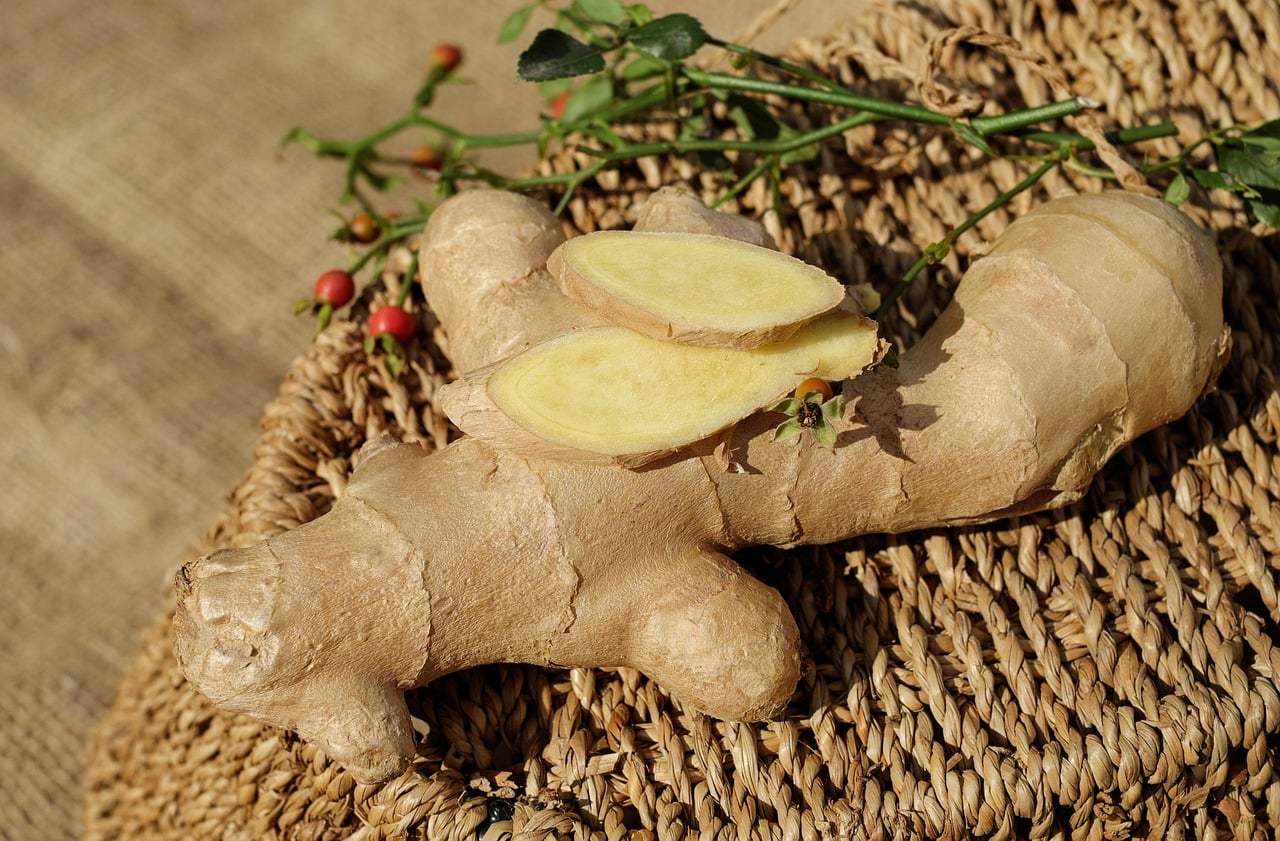
Ginger is one of my favorite spices for cooking and digestion. It contains gingerols, natural compounds with antioxidant and anti-inflammatory properties, and is especially well known for helping ease nausea.
Easy ways to enjoy it: Add fresh ginger to stir-fries, soups, curries, smoothies, and it’s a fabulous tea. I don’t usually use dried ground ginger for cooking, I save it for baked goods.
Try this recipe: Ginger Coconut Chicken with Butternut Squash
Turmeric – Anti-Inflammatory & Joint Support
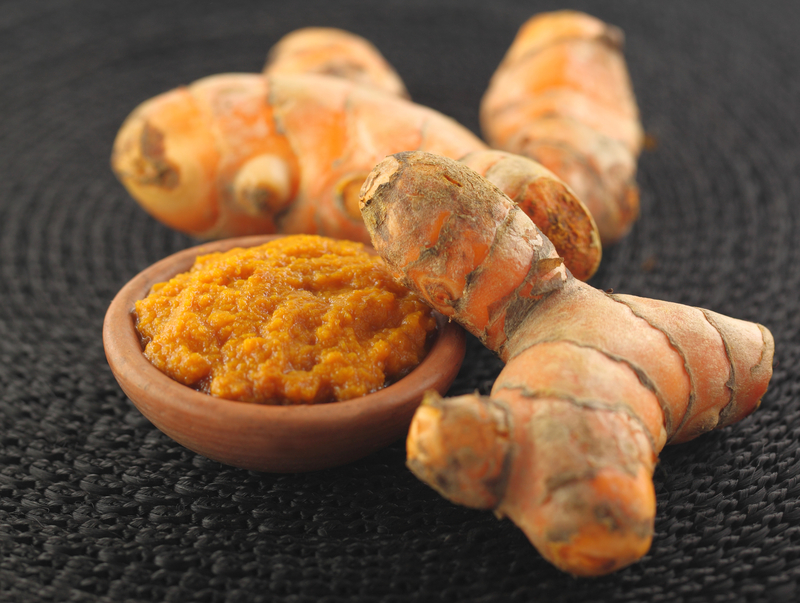
Turmeric contains curcumin, a compound widely studied for its antioxidant and anti-inflammatory properties. Research suggests concentrated curcumin supplements may help with certain types of joint discomfort, although culinary amounts are much smaller.
Easy ways to enjoy it: Add turmeric to curries, soups, rice dishes, scrambled eggs, and golden milk. A little black pepper helps improve curcumin absorption.
Try this recipe: Healing Autumn Vegetable Turmeric Soup
Cumin – Digestion & Antioxidants
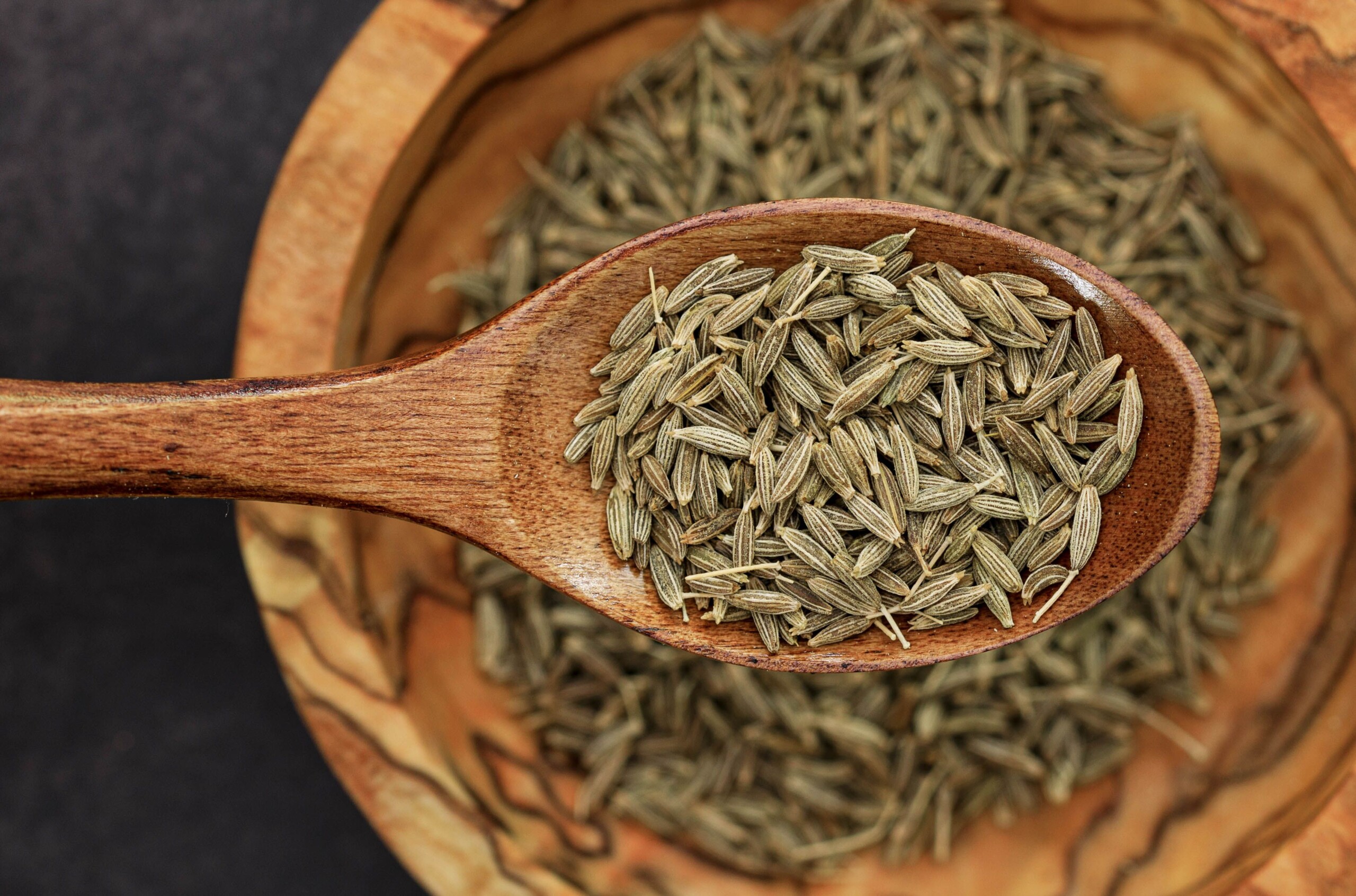
Cumin contains antioxidants and has a long history of use as a digestive spice. It stimulates the secretion of digestive enzymes and bile from the liver, which helps break down fats and nutrients. It is traditionally used to ease bloating, gas, and indigestion.
Easy ways to enjoy it: In cooking the seeds are ground fresh or you can buy them already ground. Add it to chili, lentils, beans, roasted vegetables, soups, and homemade spice blends.
Try this recipe: Golden Red Lentil and Kale Soup
Garlic – Heart Health & Immune Support
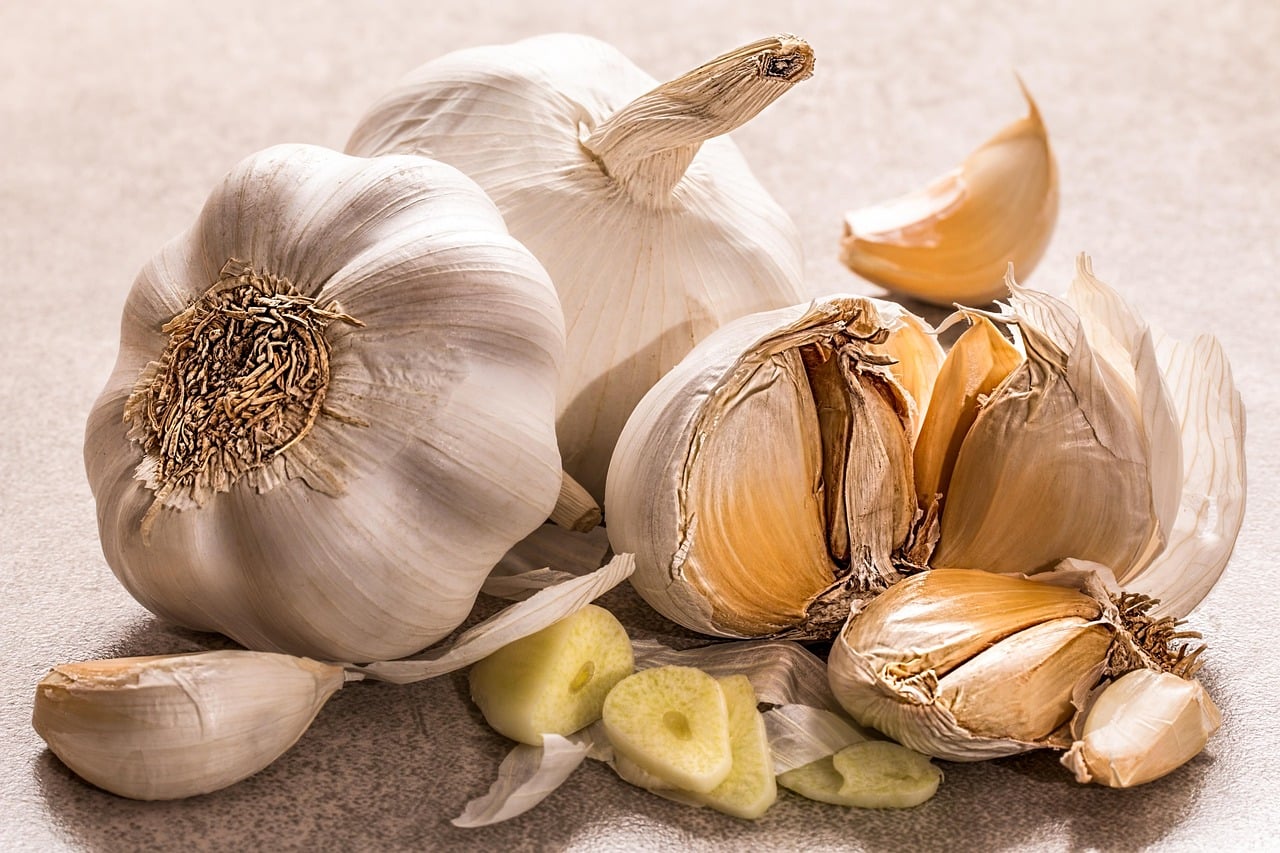
Garlic contains sulfur compounds—most notably allicin—which are released when you crush, chop, or chew it. Garlic contains natural antimicrobial, antiviral, and antibacterial properties. Eating it regularly can help prevent common illnesses like colds and the flu, or shorten the severity of symptoms. Garlic can help lower blood pressure in people with hypertension and may reduce total cholesterol, “bad” LDL cholesterol, and triglycerides.
Easy ways to enjoy it: I add chopped garlic to almost every dish I cook because of it’s great flavor. Use it in sautéed vegetables, soups, salad dressings, sauces, roasted vegetables, chicken and fish dishes.
Try this recipe: Garlic Lemon Chicken with Anchovy Sauce and Cauliflower
Coriander – Antioxidants & Digestive Support
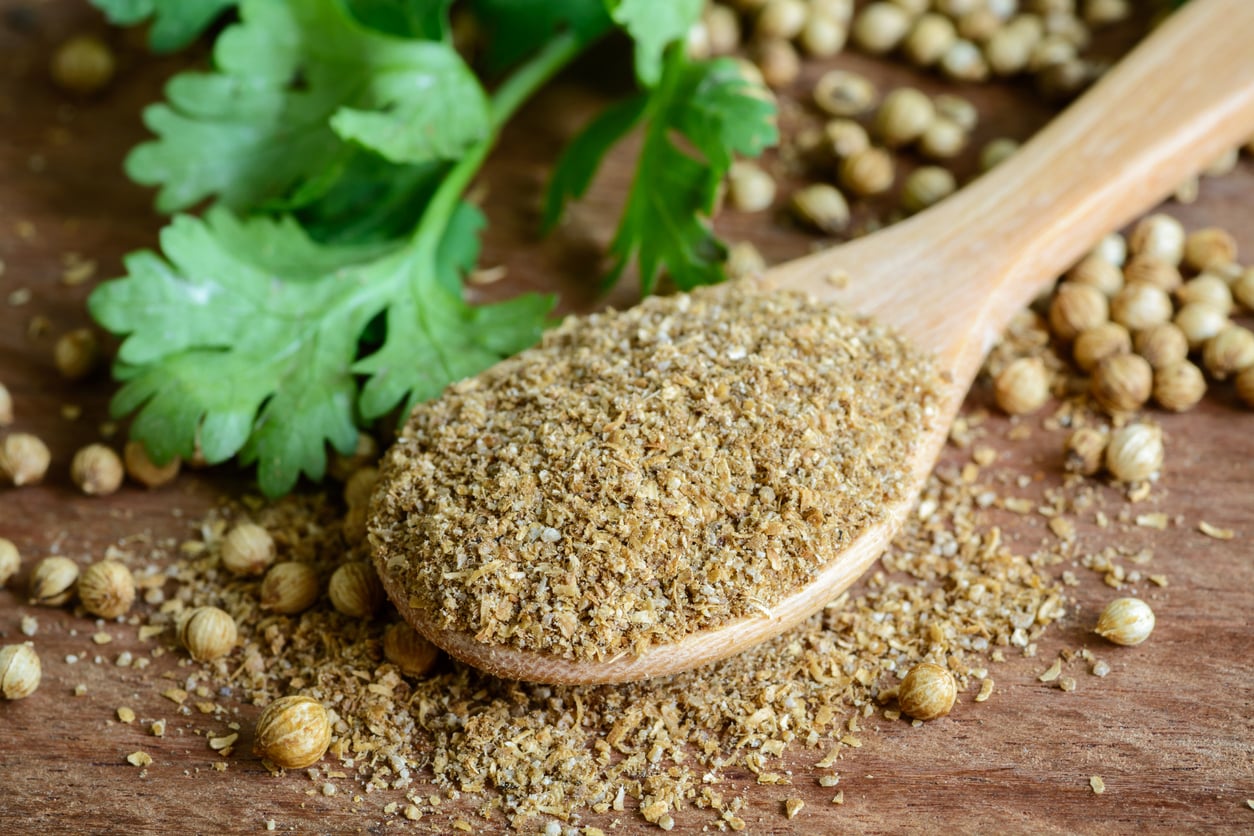
Coriander seeds, which come from the cilantro plant, contain aromatic oils and antioxidants. Traditionally used to support digestion, coriander is also being studied for its potential effects on blood sugar and inflammation.
Easy ways to enjoy it: Add ground coriander to curries, soups, roasted carrots, lentils, chicken, and vegetable dishes. It has a lovely warm, citrusy flavor.
Try this recipe: Moroccan Spiced Cauliflower
Fennel – Digestion & Gut Comfort
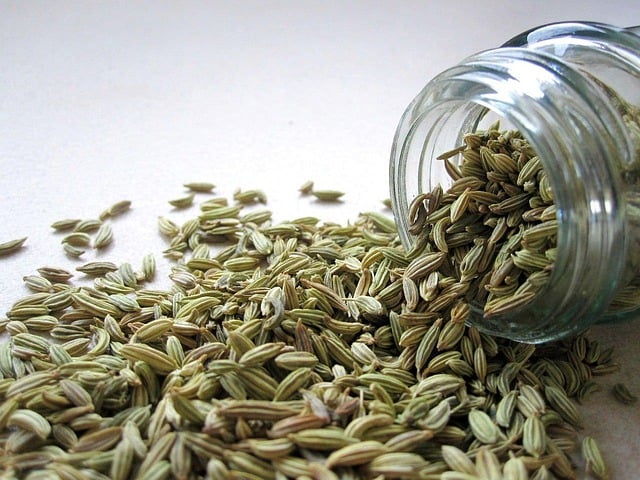
Fennel seeds contain anethole, an aromatic compound studied for its potential digestive and anti-inflammatory effects. Fennel has traditionally been used to help ease gas and bloating.
Easy ways to enjoy it: Add fennel seeds to roasted vegetables, tomato sauces, soups, homemade sausage seasonings, or steep them in hot water for a soothing tea.
Try this recipe: Healing Kitchari
Cinnamon – Blood Sugar & Antioxidant Support
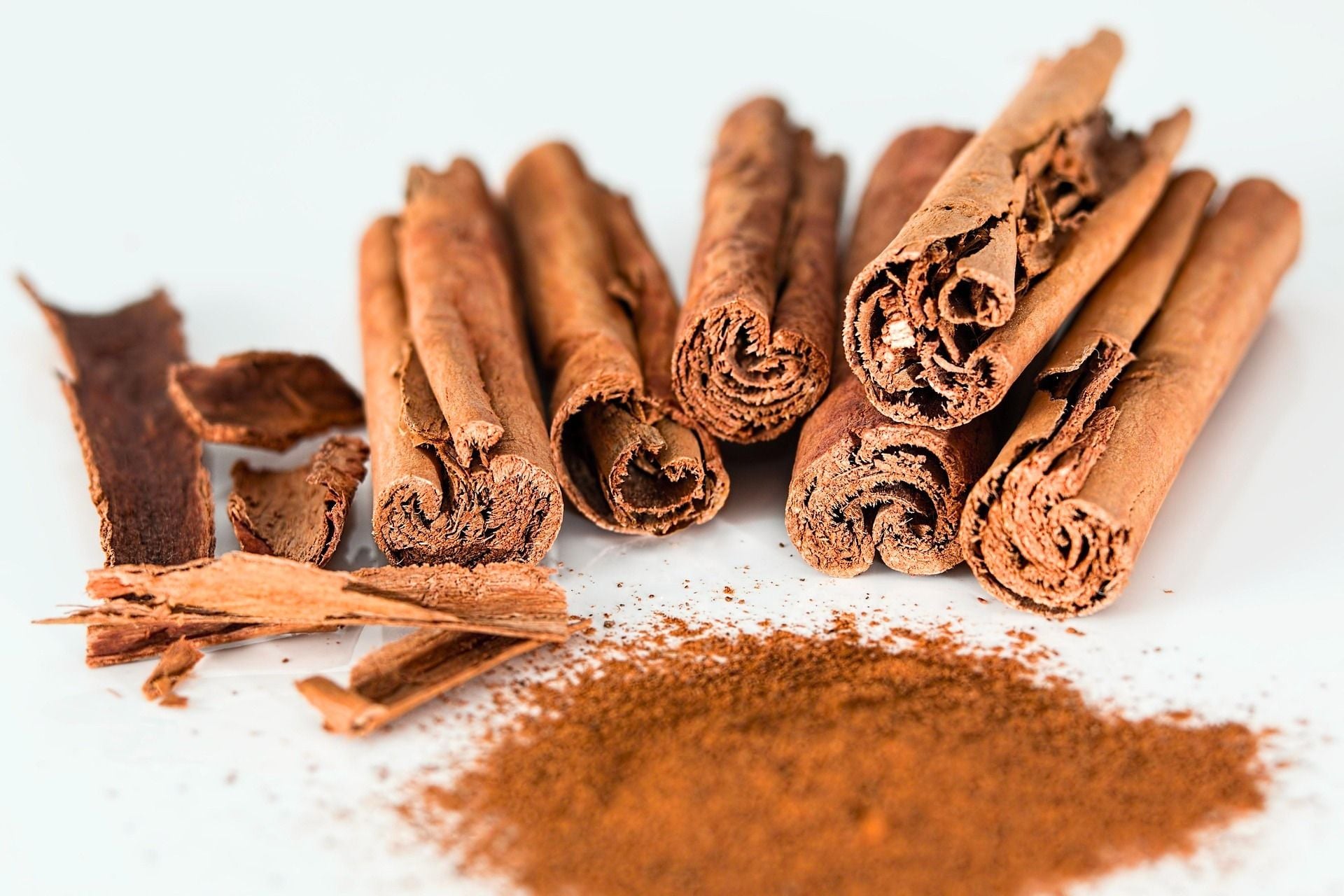
Cinnamon is rich in polyphenols that help protect cells from oxidative damage. It’s also been studied for its potential to support healthy blood sugar regulation, although research results are mixed.
Easy ways to enjoy it: We mostly use cinnamon in desserts especially with apples or sprinkled over yogurt, cappuccino, or oatmeal. But cinnamon is widely used as a warming spice in savory cooking in many global cuisines, where it adds earthy depth, complexity, and subtle sweetness to meats, stews, rice.
Try this recipe: Oven Roasted Chicken Shawarma
🧡 A Little More Flavor, A Little More Nutrition
One of the things I love most about herbs and spices is how effortlessly they add incredible flavor and extra nutrition to everyday meals. A sprinkle of cinnamon at breakfast, a handful of fresh parsley on your salad, or a little ginger in your stir-fry adds wonderful flavor and beneficial plant compounds.
You don’t need to change the way you eat. Just have fun experimenting with different flavors and enjoying the foods you already love.
Start with one or two herbs or spices you don’t use very often and try adding them to your meals this week. You might discover a new favorite flavor along the way!
I’d love to hear from you. What’s your favorite herb or spice, and how do you like to use it? Let me know in the comments below.
